Список тем
Unit 1. School holidays: places to go
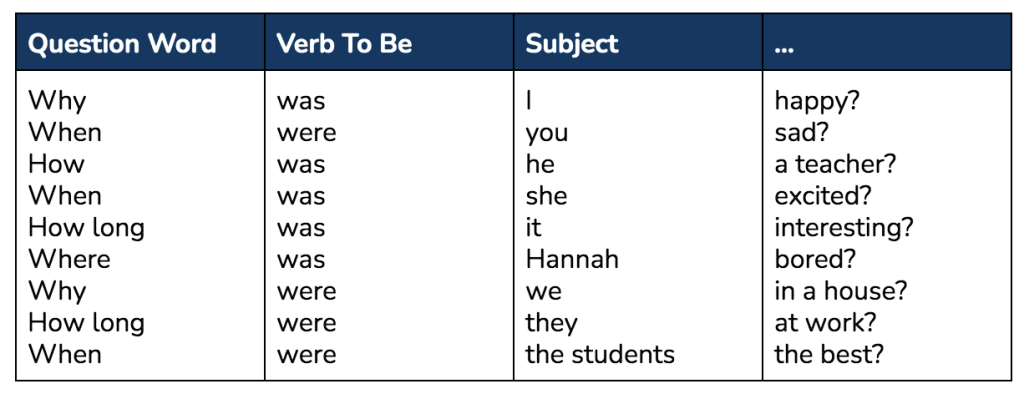
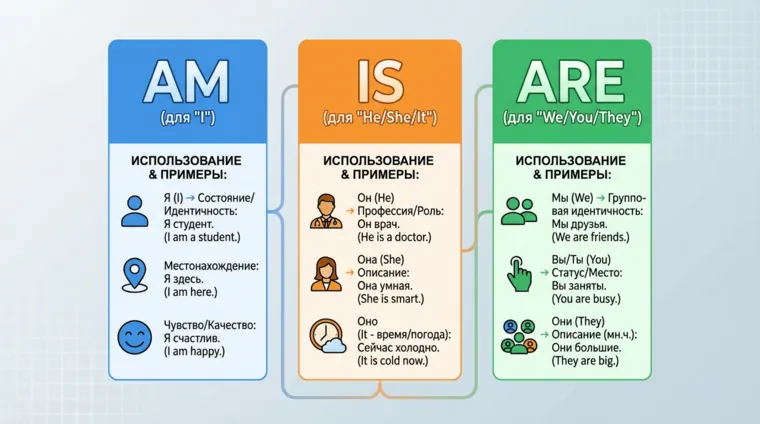
| I | am | on holiday. at home. with my friend. |
| It He / She / My friend There | is | July. at summer camp. lots of food to eat. |
| We / You / They / My parents and I There | are | on holiday. in town. lots of books to read. |

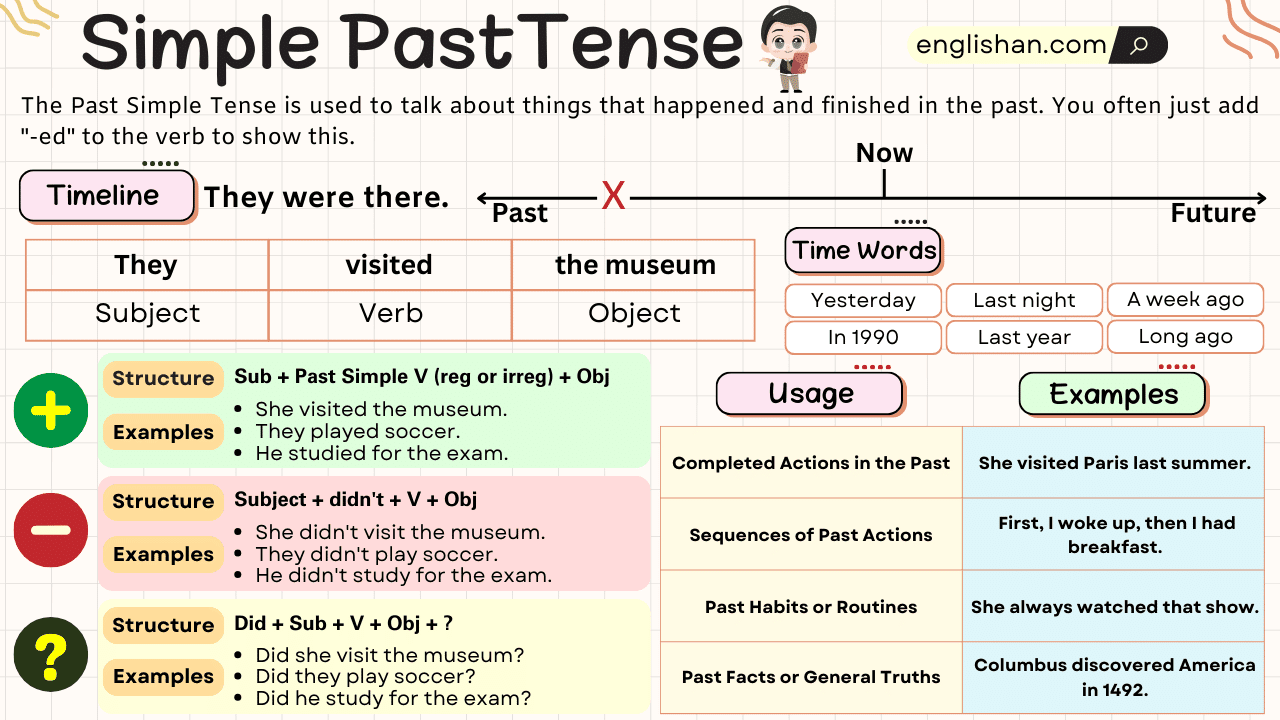
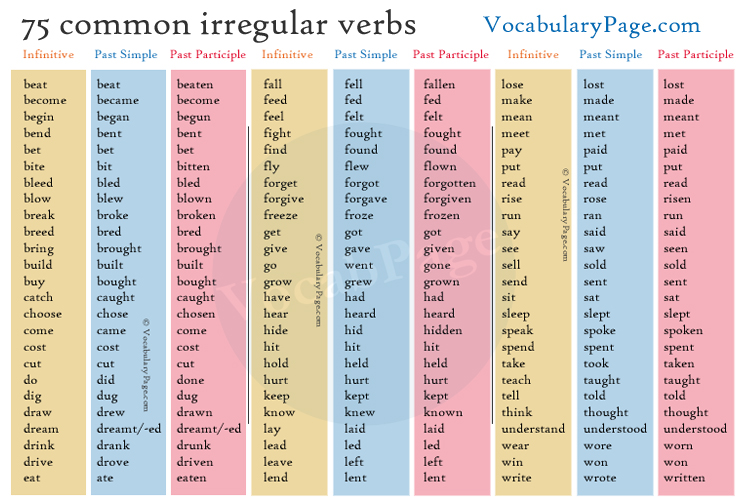
| go (идти) – went make (делать) – made eat (есть) – ate ride (ехать верхом) – rode run (бегать) - run give (давать) - gave say (говорить) - said see (видеть) - saw fly (летать) - flew | meet (встречать) – met take (брать) – took drink (пить) – drank have (иметь) – had drive (ехать) - drove swim (плавать) - swam get up (вставать) - got up come (приходить, приезжать) - came |
1. Unit 1. School holidays: places to go
The Present Simple Tense of the verb to be, The Past Simple Tense: positive sentences with the verb to be
Unit 2. School holidays: things to do


2. Unit 2. School holidays: things to do
The Past Simple Tense: general questions, The Past Simple Tense: negative sentences, The Past Simple Tense: Wh-questions
Unit 3. Do you like TV?


3. Unit 3. Do you like TV?
Object pronouns, Adverbs of frequency,
Unit 4. Special days
4. Unit 4. Special days
like + Ving, special days
Unit 5. Be healthy!
| singular единственное число | plural множественное число |
| I’d like a sandwich. | I’d like some sandwiches. |
| + | There’s a sweet on the table. |
| ? | – Is there a sweet on the table? – Yes, there is. / No, there isn’t. |
| – | There isn’t a sweet on the table. There’s no sweet on the table. |
| + | There are some sweets on the table. |
| ? | – Are there any sweets on the table? – Yes, there are. / No, there aren’t. |
| – | There aren’t any sweets on the table. There are no sweets on the table. |
| + | There’s some jam on the table. |
| ? | – Is there any jam on the table? – Yes, there is. / No, there isn’t. |
| – | There isn’t any jam on the table. There’s no jam on the table. |
Исчисляемые имена существительные
| + | You should eat a lot of vegetables. |
| ? | – How many apples should we eat a day? – Two apples. |
| – | You shouldn’t eat many crisps. |
Неисчисляемые имена существительные
| + | You should eat a lot of fruit. |
| ? | – How much juice should we drink a day? – Two glasses. |
| – | You shouldn’t eat much ice cream. |
5. Unit 5. Be healthy!
a / some / any, should/shouldn't, Would you like a/some...? A lot of, much,many
Unit 1. Summer hobbies



bowl [bəʊl] n миска
bucket [ˈbʌkɪt] n ведро
cage [keɪdʒ] n клетка, вольер
camp [ˈkæmp] n лагерь
camper [ˈkæmpə] n отдыхающий в лагере
celebrity [səˈlebrətɪ] n знаменитость
dog shelter [dɒɡ ˈʃeltə] n приют для собак
fork [fɔːk] n вилка
go on a hike [haɪk] отправиться в пешую прогулку
go on a trip [trɪp] отправиться в поездку
go roller-skating [ˈrəʊlə ˈskeɪtɪŋ] кататься на роликовых коньках
helpful [ˈhelpfəl] adj полезный
knife [naɪf] n нож
plastic spoon [ˈplæstɪk spuːn] пластиковая ложка
play board games [bɔːd ɡeɪmz] v играть в настольные игры
rake [reɪk] n грабли
sand sculpture [sænskʌlptʃə] скульптура из песка
sit by the camp fire [ˈkæmpfaɪə] v сидеть у (лагерного) костра
spade [speɪd] n лопата
take photos [ˈfəʊtəʊz] фотографировать
6. Unit 1. Summer hobbies
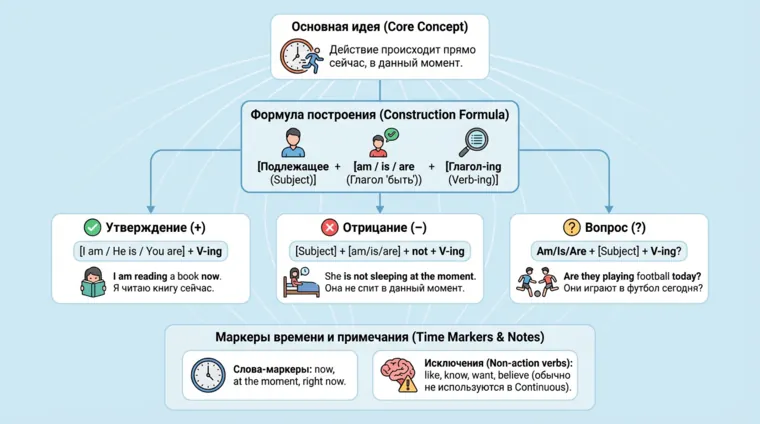
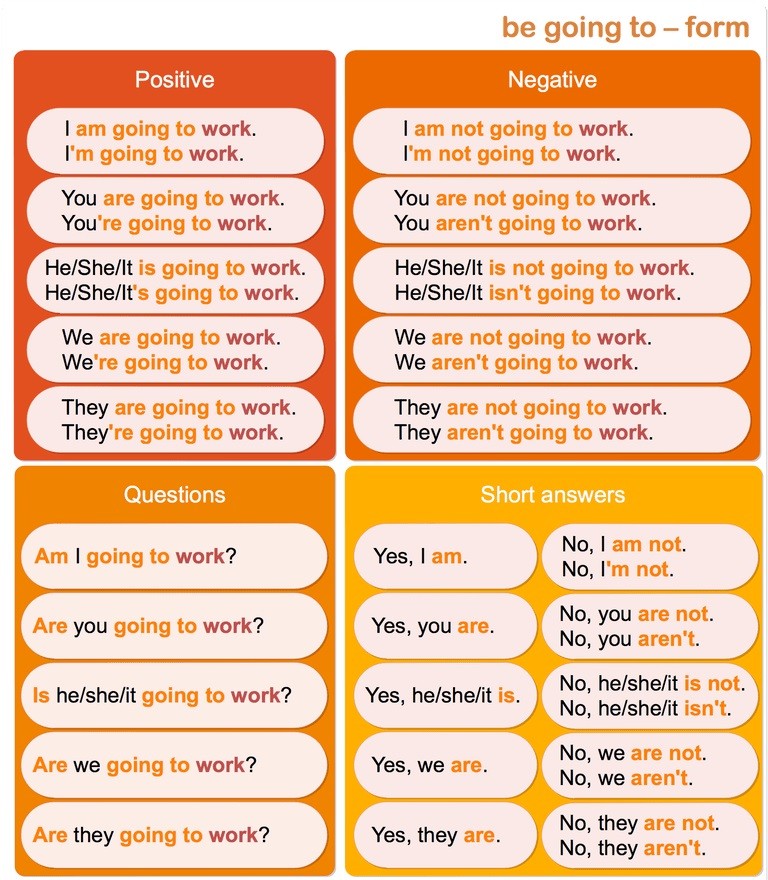
the Present Simple Tense, the Present Continuous Tense, the Past Simple Tense, to be going to, the Future Simple Tense
Unit 2. Nature and wildlife at home and abroad
1. Действия, (не)закончившегося к моменту речи (часто с just (только что), yet (ещё не). Have you finished your job? — Yes, I have / No, I haven’t. He has just come back. She hasn’t done the test yet.

1. Если существительное заканчивается на -o, -ch, -sh, -ss или -x, то множественное число образуется при помощи окончания -es: tomato — tomatoes, church — churches, bush — bushes, kiss — kisses, box — boxes.
2. Если слово иноязычного происхождения оканчивается на -o, то во множественном числе к существительному добавляется окончание -s: kilo — kilos, photo — photos, piano — pianos, soprano — sopranos.
3. Если существительное оканчивается на букву y и перед ней стоит согласная, то y меняется на i и добавляется окончание -es: baby —babies, fly — flies.
Если существительное оканчивается на букву y и перед ней стоит гласная, то добавляется только окончание -s: a boy — boys, a day — days.
4. У некоторых существительных, оканчивающихся на -f или -fe, при образовании множественного числа -f или -fe меняются на -ves: life — lives, wife — wives, wolf — wolves.
Исключение: roof — roofs, safe — safes.
5. У некоторых существительных множественное число образуется не по правилу: foot — feet, tooth — teeth, man — men, woman— women, mouse — mice, goose — geese, child — children.
6. У некоторых существительных формы единственного и множественного числа совпадают: species, deer, bison, fish, sheep.
bison [ˈbaɪsən] n бизон, зубр
danger [ˈdeɪndʒə] n опасность
dangerous [ˈdeɪndʒərəs] adj опасный
dream [driːm] n мечта
endangered [ɪnˈdeɪndʒəd] adj находящийся под угрозой исчезновения
ever [ˈevə] adv когда-либо
faraway [ˈfɑːrəweɪ] adj далекий
just [dʒəst] [dʒʌst] adv только что
lake [leɪk] n озеро
life [laɪf] n жизнь
natural [ˈnætʃərəl] adj естественный, природный
nature [ˈneɪtʃə ] n природа
once [wʌns] adv однажды
pack [pæk] v упаковывать
plant [plɑːnt] n растение
recently [ˈriːsəntlɪ] adv недавно; на днях, в последнее время
river [ˈrɪvə] n река
so far [səʊ fɑː] adv пока что, до настоящего времени
species [ˈspiːʃiːz] n вид (животных или растений)
suitcase [ˈsuːtkeɪs] n чемодан
three times [θriː taɪmz] adv трижды, три раза
time [taɪm] n время, раз
tired [taɪəd] adj усталый, утомлённый; изнурённый
7. Unit 2. Nature and wildlife at home and abroad
articles with geographical names, the Present Perfect Tense, irregular plural forms of nouns
Unit 3. Belarus - my Fair Land
Обратите внимание, что такие числительные не меняют своей формы во множественном числе. There are 9 hundred people in the train.
Однако эти числительные могут стать существительными, если обозначают большое, но неточное количество. Тогда они употребляются во множественном числе и после hundred, thousand, million используется предлог of. There are hundreds of people in the streets.


area [ˈeərɪə] n площадь, пространство
be famous for [biːˈfeɪməs fə] быть знаменитым
be proud of [biː ˈpraʊd əv] гордиться (чем-л.)
capital [ˈkæpətl] n столица
castle [ˈkɑːsəl] n замок
comfortable [ˈkʌmftəbəl] adj удобный, уютный
costume [ˈkɒstjʊm] n костюм
cross [krɒs] n крест
emblem [ˈembləm] n эмблема, герб
lie [laɪ] v лежать, располагаться
nation [ˈneɪʃən] n нация, народ
national [ˈnæʃənəl] adj национальный
population [ˌpɒpjəˈleɪʃən] n население
stripe [straɪp] n полоса
symbol [ˈsɪmbəl] n символ
temperature [ˈtemprətʃə] n температура
tourist [ˈtʊərɪst] n турист
transport [ˈtrænspɔːt] n транспорт
8. Unit 3. Belarus - my Fair Land
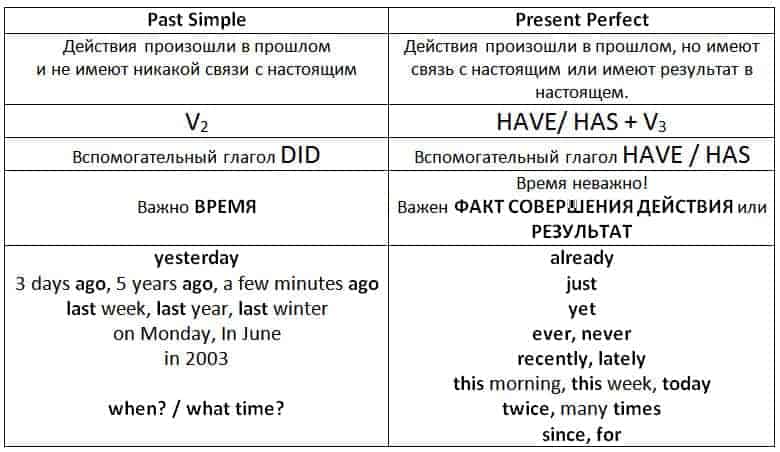
usage of numerals (thousand, hundred, million), the Present Perfect and the Past Simple tenses in contrast, comparative and superlative adjectives, should/shouldn't
Unit 4. Stories in books and films
PAST CONTINUOUS
Прошедшее продолженное время
Употребляется для обозначения:
1. Действия, которое происходило в определённый момент в прошлом. Yesterday at 5 o’clock I was doing homework.2. Действия, на фоне которого произошло другое действие, которое, в свою очередь, обязательно должно быть выражено прошедшим простым временем. Придаточное предложение со сказуемым в прошедшем времени соединяется с главным при помощи союза when. He was walking home when somebody called his name.
3. Двух параллельных действий, происходящих в определённый момент в прошлом. Ни одно из параллельных действий предложения не является фоновым для остальных. Части сложного предложения со сказуемым в прошедшем продолженном времени могут соединяться
при помощи союза while. The boy was reading, while the girl was playing the piano.
В прошедшем продолженном времени возможно употребление нескольких смысловых глаголов с одним глаголом-связкой при одном подлежащем. She was watching TV and talking on the phone.
Употребляется со словами then, at that moment, at 5 o’clock yesterday, when you came.
Образуется:
PAST SIMPLE and PAST CONTINUOUS
Прошедшее простое и прошедшее продолженное времена
Past Simple (прошедшее простое время) выражает:
2. События в прошлом, происходящие друг за другом: John got up early, washed, and did his morning exercises.
Past Continuous (прошедшее продолженное время) выражает:
1. Длительное действие в прошлом, начавшееся до определённого момента в прошлом и продолжавшееся в тот момент: John was doing his homework when his mother came home.appear [əppɪə] v появляться
believe [bəˈliːv] v верить
disappear [ˌdɪsəˈpɪə] v исчезать
god [ɡɒd] n бог
gold [ɡəʊld] n золото
golden [ˈoldldən] adj золотой
hang [hæŋ] v висеть, вешaть
happen [ˈhæp(ə)n] v случаться, происходить
imaginary [ɪmmædʒənərɪ] adj воображаемый, придуманный
imagination [ɪmmædʒəˈneɪʃən] n воображение
imagine [ɪmmædʒɪn] v вообразить, представлять себе
magic [ˈmædʒɪk] n магия, волшебство
magician [məˈdʒɪʃən] n волшебник; фокусник
mystery [ˈmɪstərɪ] n тайна, загадка
myth [mɪθ] n миф
naughty [ˈnɔːtɪ] adj непослушный
punish [ˈpʌnɪʃ] v наказывать
reality [rɪˈælətɪ] n реальность, действительность
suddenly [ˈsʌdnlɪ] adv внезапно
terrible [ˈterəbəl] adj ужасный
unusual [ʌnˈjʊːʒʊuəl] n необычный
wear [weə] v носить, быть одетым (во что-л.)
9. Unit 4. Stories in books and films
the Past Continuous Tense, the Past Continuous and the Past Simple tenses in contrast
Unit 5. Helping around the house
PRONOUNS SOME / ANY / NO
Местоимения несколько / сколько-нибудь / нисколько
В английском языке в утвердительных предложениях употребляется местоимение some. Take some glasses from that shelf.
В отрицательных — any или no. Don’t take any books from the case. There is no milk in the jug.
В вопросительных предложениях употребляется местоимение any. Have you got any money?
| Nouns | + | — | ? |
| singular countable nouns (cat) | a / an | not a(an) / no | a / an |
| singular plural nouns (cats) | some | not any / no | any |
| uncountable nouns (milk) | some | not any / no | any |
PRONOUNS SOMETHING, ANYTHING, NOTHING / SOMEBODY, ANYBODY, NOBODY
Местоимения что-то, что-нибудь, ничто / кто-то, кто-нибудь, никто
Местоимения, образованные с помощью -thing, употребляются в отношении неодушевлённых предметов и понятий. There is something wrong with him.
Запомните. В английском языке может быть только одно отрицание в предложении. Поэтому при употреблении отрицательных местоимений nobody, nothing отрицательная частица not не требуется. Nobody knows anything about it.
| Nouns | + | — | ? |
| things | something | not anything nothing | anything |
| people | somebody someone | not anybody / anyone nobody / no-one | anybody anyone |
Active Vocabulary:
an iron [ˈaɪən] n утюг
anyone [ˈenɪwʌn] pron кто-нибудь; никто
chore [tʃɔː] n работа по дому, домашняя обязанность
cloth [klɒθ] n ткань, тряпочка
cooker [ˈkʊkə] n плита
dishwasher [ˈdɪʃwɒʃə] n посудомоечная машина
do the dusting [duː ðə ˈdʌstɪŋ] вытирать пыль
do the ironing [duː ðə ˈaɪənɪŋ] гладить (бельё)
do the washing [duː ðə ˈwɒʃɪŋ] стирать
do the washing up [duː ðəˈwɒʃɪŋ ʌp] мыть посуду
dresser [ˈdresə] n комод
dust [dʌst] n пыль
dustbin [ˈdʌstbɪn] n корзина для мусора
everybody [ˈevrɪbɒdɪ] pron все
everything [ˈevrIθɪv] pron всё
junk [dʒʌŋk] n мусор
lay the table [leɪ ðə ˈteɪbəl] накрывать на стол
make the beds [meɪk ðə bedz] застилать кровать
mess [mes] n беспорядок
messy [ˈmesɪ] adj грязный, беспорядочный, неряшливый
no one [nəʊ wʌn] pron никто
poster [ˈpəʊstə] n плакат
safe [seɪf] adj безопасный
someone [ˈsʌmwʌn] pron кто-то, кто-нибудь
sweep the floor [swiːp ðə flɔ:] подметать пол
throw away [θrəʊ əˈweɪ] выбрасывать
tidy up [ˈtaɪdɪ ʌp] делать уборку
washing machine [ˈwɒʃɪŋ məˈʃiːn] n стиральная машина
10. Unit 5. Helping around the house
some/any/no, something/anything/nothing, somebody/anybody/nobody, suffixes -full, -ous
Unit 6. Are you a foodie?


Pronouns few / a few, little / a little
Местоимения мало / немного / несколько
Местоимение little (мало) употребляются с неисчисляемыми существительными (абстрактные понятия, вещества). There is little milk in the cup. I have very little time.
Сочетание a few (несколько) употребляется только с исчисляемыми существительными. I bought a few apples.
Сочетание a little (немного) употребляется с неисчисляемыми существительными. Will you give me a little water?
| (a) little + uncountable nouns (a) little water | (a) few + plural nouns (a) few books |
| a little = some, but not much (a positive idea) I speak a little Italian. She didn’t eat anything but she drank a little water. little = nearly no, nearly nothing (a negative idea) There was little food in the fridge. It was nearly empty. | a few = some, but not many (a positive idea) I speak a few words of Italian. Yesterday I wrote a few postcards. few = nearly no (a negative idea) There were very few people in the park. It was nearly empty. |
PASSIVE VOICE
Страдательный залог
Страдательный залог используется, когда исполнитель действия очевиден или несуществен или когда действие или его результат более интересны, чем исполнитель.
Страдательный залог образуется при помощи глагола to be в соответствующем времени и 3-й формы глагола.


a little [ə ˈlɪtl] adj / pron немного add [ˌæd] v добавлять
bacon [ˈbeɪkən] n бекон
bill [bɪl] n счёт (в кафе)
boil [bɔɪl] v кипятить; варить
cash [kæʃ] n наличные деньги
cereal [ˈsɪərɪəl] n блюдо из круп, злаков (каша, хлопья)
credit card [ˈkredɪt kɑːd] n кредитная карта
crisps [krɪsps] n чипсы
cut [kʌt] v резать
diet [ˈdaɪət] n диета
fast food [fɑːst fuːd] n фастфуд, блюда быстрого приготовления
few [fjuː] adj / pron мало
healthy [ˈhelθɪ] adj здоровый
hungry [ˈhʌŋɡrɪ] adj голодный
ingredient [ɪnˈɡriːdɪənt] n ингредиент
junk food [ˈdʒʌŋk fuːd] вредная еда
marmalade [ˈmɑːməleɪd] n мармелад
mix [mɪks] v смешивать
order [ˈɔːdə] v заказывать
prepare [prɪˈpeə] v готовить, приготовить
recipe [ˈresəpɪ] n рецепт
sell [sel] v продавать
serve [sɜːv] v подавать на стол
sour-cream [saʊə kriːm] n сметана
thirsty [ˈθɜːstɪ] adj испытывающий жажду
toast [təʊst] n тост (поджаренный ломтик хлеба)
unhealthy [ʌnˈhelθɪ] adj нездоровый
waiter [ˈweɪtə] n официант
yoghurt [ˈjɒɡət] n йогурт
11. Unit 6. Are you a foodie?
countable/uncountable nouns, few/ a few/ little/ a little, the Present Simple Passive, would (Would you like ... ? I'd like... )
Unit 1. The beginning of UK's traditions
Артикль с географическими названиями

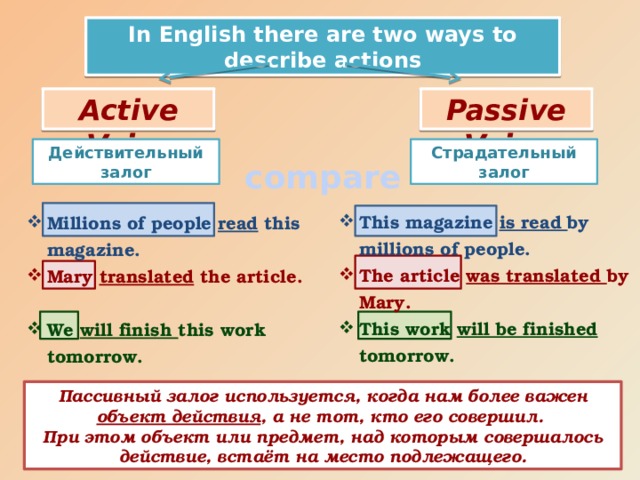


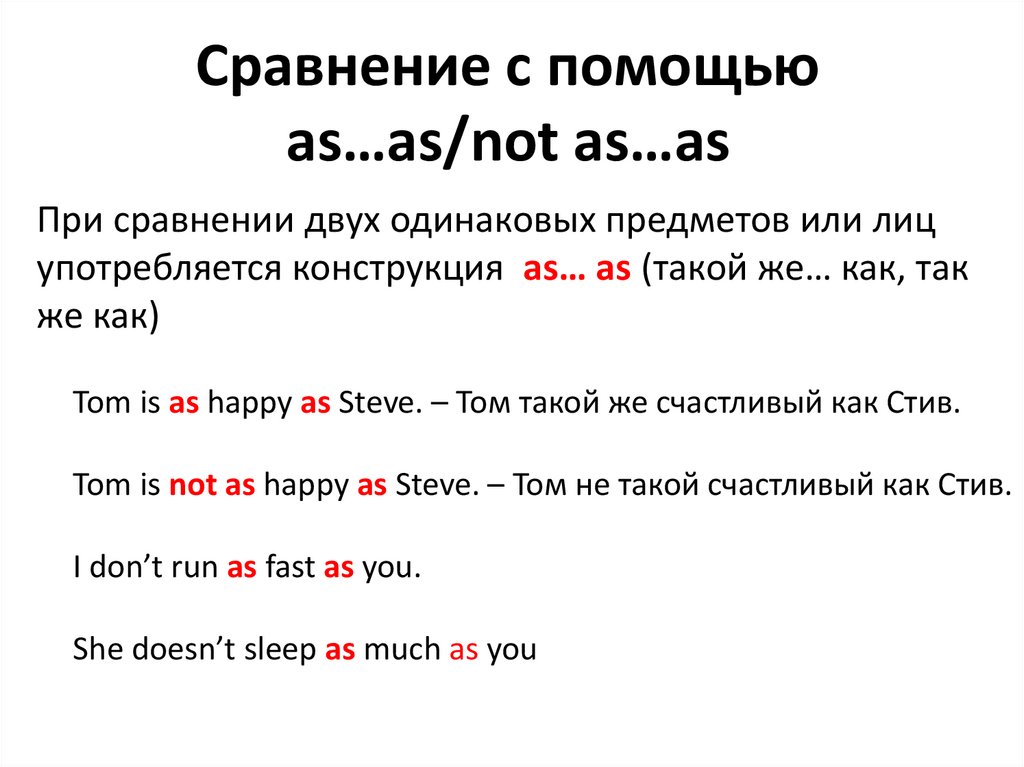
12. Unit 1. The beginning of UK's traditions
Артикль с географическими названиями. Степени сравнения прилагательных. Сравнительные предложения с as...as. Действительный/страдательный залог.
Unit 2. School is not only learning
13. Unit 2. School is not only learning
Инфинитив. Герундий. Прилагательное + предлог.
Unit 3. Meals
14. Unit 3. Meals
Артикль с названиями приемов пищи. Указатели количества. Возвратные местоимения
Unit 4. Money
15. Unit 4. Money
The Present Perfect Tense/ the Present Perfect Continuous. Определенный артикль с субстантивированными именами прилагательными.
Unit 1. Family relationship
16. Unit 1. Family relationship
Проверочный лексико-грамматический тест
Unit2 Interpersonal relationship
|
Личные местоимения
|
Притяжательные
местоимения
|
Абсолютные притяжательные
местоимения
|
|
I
|
my
|
mine
|
|
you
|
your
|
yours
|
|
he
|
his
|
his
|
|
she
|
her
|
hers
|
|
it
|
its
|
its
|
|
we
|
our
|
ours
|
|
they
|
their
|
theirs
|
17. Unit2 Interpersonal relationship
Проверочный лексико-грамматический тест
Unit3 A Healthy Lifestyle
|
Положительная
степень
|
Сравнительная
степень
|
Превосходная
степень
|
|
fast быстро
late
поздно
soon скоро
hard
усердно
early рано
|
faster быстрее
later
позднее
sooner скорее
harder усерднее
earlier раньше
|
fastest быстрее всего
latest позднее всего
soonest скорее всего
hardest усерднее всего
earliest
раньше всего
|
|
Положительная
степень
|
Сравнительная
степень
|
Превосходная
степень
|
|
easily легко
clearly ясно
|
more easily легче
more clearly яснее
|
most easily легче всего
most clearly яснее всего
|
|
Положительная
степень
|
Сравнительная
степень
|
Превосходная
степень
|
|
well хорошо
badly плохо
little мало
much много
|
better лучше
worse
хуже
less
меньше
more больше
|
best лучше всего
worst
хуже всего
least
менее всего
most
больше всего
|
|
far далеко
|
дальше
further
|
 farthest дальше
всего farthest дальше
всегоfurthest
|

18. Unit3 A Healthy Lifestyle
Проверочный лексико-грамматический тест
Unit4 The world of fashion

19. Unit4 The world of fashion
Проверочный лексико-грамматический тест
Unit 5. Weather
20. Unit 5. Weather
Проверочный лексико-грамматический тест
Unit 6. Climate
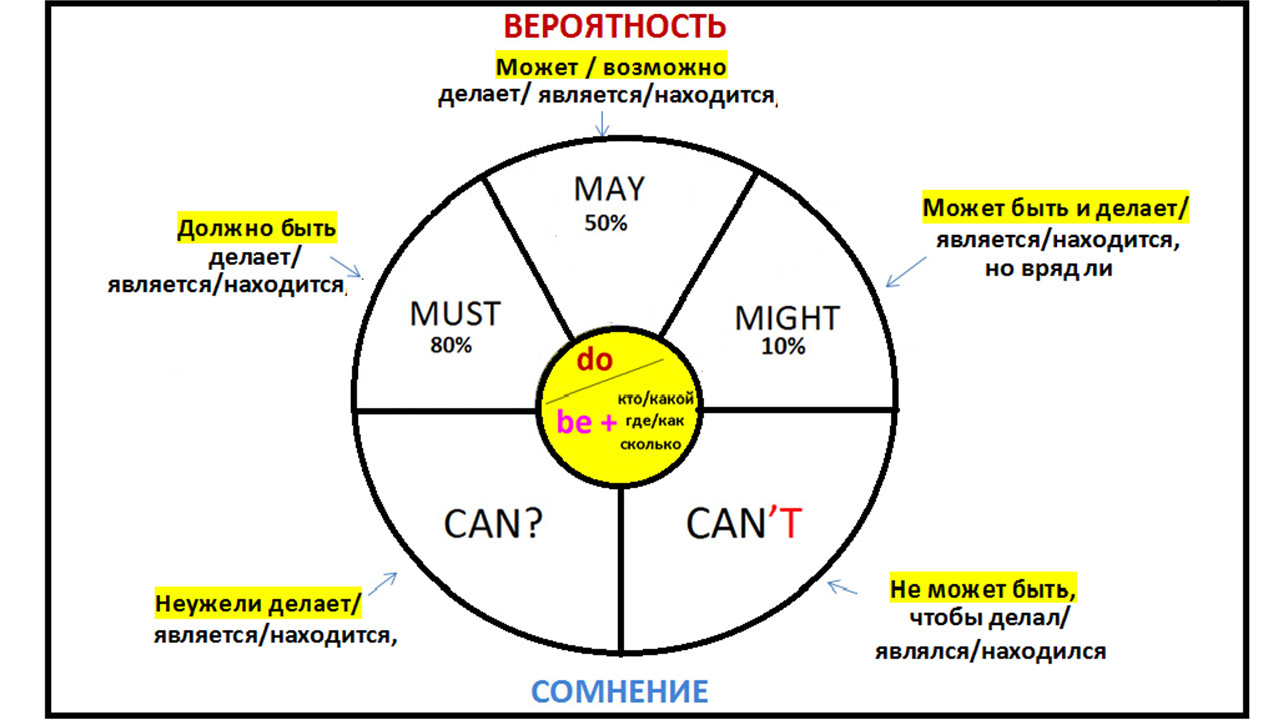
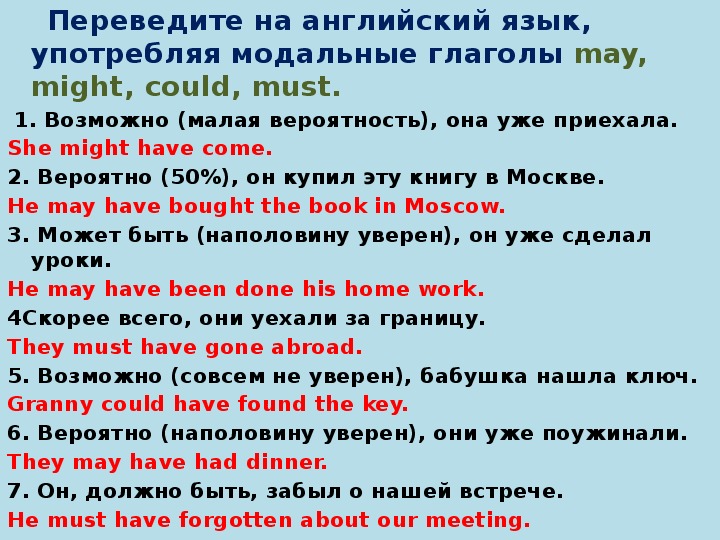
21. Unit 6. Climate
Проверочный лексико-грамматический тест
Unit 6. Climate
22. Unit 6. Climate
Проверочный лексико-грамматический тест
Unit 7.Leisure time
23. Unit 7.Leisure time
Проверочный лексико-грамматический тест
Unit8. Means of communication
24. Unit8. Means of communication
Проверочный лексико-грамматический тест
Unit 9. School matters
25. Unit 9. School matters
Проверочный лексико-грамматический тест
Unit 1. Houses and homes
Страдательный залог употребляется, когда исполнитель действия очевиден или несуществен либо когда действие или его результат более интересны, чем исполнитель. Страдательный залог образуется с помощью глагола to be в соответствующем времени и III формы основного глагола (причастие прошедшего времени).
Present Continuous Passive образуется с помощью глагола to be в Present Continuous и III формы основного глагола.
Сравните:
| Active | Passive |
| They are discussing the problem now. – Они обсуждают эту проблему сейчас. | The problem is being discussed now. – Проблема обсуждается сейчас. |
| He is repairing the bike. – Он ремонтирует мотоцикл. | The bike is being repaired now. – Мотоцикл ремонтируется. |
Множественное число образуется с помощью окончания -s:
suggestion – suggestions (предложение – предложения)
umbrella – umbrellas (зонт – зонтики)
I. В существительных, которые оканчиваются на -o, -ch, -s, -ss, -sh, -x, добавляется -es:
box – boxes (коробка – коробки)
bush – bushes (куст – кусты)
Иностранные слова и аббревиатуры, которые оканчиваются на -o, образуют множественное число путем добавления окончания -s:
piano – pianos
kilo – kilos
II. У существительных, оканчивающихся на -f, -fe, во множественном числе f меняется на v и добавляется окончание -es:
leaf – leaves (лист – листья)
knife – knives (нож – ножи)
thief – thieves (вор – воры)
wife – wives (жена – жены)
К существительным, оканчивающимся на -oof, -ief, -ff, -rf, во множественном числе чаще всего просто добавляется окончание -s:
roof – roofs (крыша – крыши)
chief – chiefs (руководитель – руководители)
cliff – cliffs (утес – утесы)
scarf – scarfs (шарф – шарфы)
country – countries (страна – страны), но: boy – boys.
IV. В составных существительных обычно основное слово получает окончание -s:
sister-in-law – sisters-in-law (невестка – невестки)
Если ни один из элементов не является существительным, окончание добавляется к последнему слову:
merry-go-round – merry-go-rounds (карусель – карусели)
V. Особые формы множественного числа:
a) foot – feet (ступня – ступни); goose – geese (гусь – гуси);
louse – lice (вошь – вши); mouse – mice (мышь – мыши); man – men (мужчина – мужчины); woman – women (женщина – женщины); person – people (человек – люди) (но: people – народ, нация; peoples – народы, нации); child – children (ребенок – дети); tooth – teeth (зуб – зубы); ox – oxen (бык – быки).
б) Существительные, заимствованные из греческого и латинского языков, сохраняют форму множественного числа, которую они имели в этих языках, и подлежат запоминанию: medium – media (средство – средства), crisis – crises (кризис – кризисы), datum – data (элемент данных – данные), phenomenon – phenomena (феномен – феномены) и т.д.
в) Если первая часть составного существительного содержит слова man, woman, то обе части ставятся во множественном числе: man driver – men drivers (водитель – водители).
VI. Исчисляемые и неисчисляемые существительные:
а) Исчисляемые существительные можно cосчитать: six jobs (шесть работ), many suggestions (много предложений).
Неисчисляемые существительные не образуют множественного числа. Как и в русском языке, слова «музыка», «кровь», «вода», «золото» (music, blood, water, gold) не употребляются во множественном числе. Хотя, так же как и в русском языке, в зависимости от контекста возможны варианты: воды Атлантики – waters of Atlantic, смешение кровей – bloods mixing.
I bought a paper. – Я купил газету. (Газета – исчисляемое существительное.)
I bought some paper. – Я купил бумагу. (Бумага – неисчисляемое существительное, это «материал», который вы
сосчитать не можете, ее можно сосчитать только в листах, рулонах и т.д.).
в) Следующие существительные имеют одну и ту же форму единственного и множественного числа: fish (рыба – рыбы (но: fishes – виды рыб), deer (олень – олени), sheep (овца – овцы), fruit (фрукт – фрукты (но: fruits – виды фруктов)) и др.
г) Следующие существительные употребляются только во множественном числе: clothes – одежда, police – полиция, cattle – скот, pyjamas – пижама, trousers – брюки, glasses, spectacles – очки, scissors – ножницы, goods – товары (час то переводится на русский язык в единственном числе – товар), holidays – каникулы (есть и единственное число – holiday (праздник), customs – таможня, jeans – джинсы, tights – колготки, shorts – шорты и др.
д) Следующие существительные употребляются только в единственном числе: advice – совет, furniture – мебель, hair – волосы, information – информация, knowledge – знание, money – деньги (в русском языке только во множественном числе), trouble – проблема.
е) Есть еще несколько слов, которые, несмотря на конечную -s, употребляются в единственном числе: physics, mathematics, optics, phonetics, politics и им подобные.
Слово news (новости) имеет форму множественного числа (plural), но в предложении употребляется со значением единственного (singular). На русский язык переводится по смыслу множественным или единственным числом:
This was news to me. – Это было новостью для меня.
What’s the news? – Что новенького? (или: Какие новости?)
means = средство – средства
barracks = казарма – казармы (но: barrack – барак)
crossroads = перекресток – перекрестки (но иногда мы попадаем и на crossroad)
headquarters = штаб – штабы
series = серия – серии
species = вид, разновидность – виды, разновидности
works = завод, фабрика – заводы, фабрики
26. Unit 1. Houses and homes
Present Continuous Passive, plural of nouns
Unit 2. Education
В отличие от русского языка запятая в сложноподчиненном предложении ставится только в случае, если придаточное предложение находится перед главным.
Условные предложения делятся на четыре типа в зависимости от того, какую степень вероятности они выражают.
Употребление того или иного типа условного предложения зависит от отношения говорящего к передаваемым им фактам.
I. Conditional O. Этот тип предложений описывает универсальные ситуации, в которых выполнение условия из придаточного предложения неизбежно повлечет за собой результат, указанный в главном предложении. Самые простые примеры этого типа условных предложений – явления природы и законы физики. Такие предложения описывают также привычные, повторяющиеся действия. Здесь в обеих частях предложения используется настоящее время или (если речь идет о прошлом) прошедшее время.
If you heat ice, it melts. – Если нагревать лед, он тает.
When it rains, the streets are wet. – Если идет дождь, улицы мокрые.
He usually rides a bicycle to a shop if he has enough time. – Он обычно едет в магазин на велосипеде, если у него достаточно времени.
If my parents gave me some pocket money when I was a child, I spent it on ice cream. – Если мои родители давали мне карманные деньги, когда я был маленьким, я тратил их на мороженое.
II. Conditional I. Этот тип предложений описывает реальные ситуации, выражающие полную возможность осуществления условия в придаточном предложении, относящиеся к настоящему и будущему времени и передающиеся формами изъявительного наклонения. Особенностью этого типа условных предложений является тот факт, что простое будущее время (Future Simple) или его эквиваленты употребляются лишь в главном предложении. В придаточном предложении после указанных союзов используется только настоящее время. Сказуемые в обеих частях предложения переводятся на русский язык формами будущего времени.
If + Present Simple (Continuous), Future Simple
If you see him dancing, you will be impressed by his talent. – Если вы увидите, как он танцует, на вас большое впечатление произведет его талант.
When this museum is open, we will go for an excursion there. – Когда музей откроется, мы пойдем туда на экскурсию.
III. Conditional II. Условные предложения этого типа выражают нереальность или малую вероятность осуществления условия, относящегося к настоящему или будущему времени. Говорящий употребляет такое предложение тогда, когда хочет сообщить, что необходимые условия для выполнения чего-либо практически отсутствуют, очень малы, а иногда вообще нереальны и противоречат действительности.
На русский язык переводятся сослагательным наклонением
(формой прошедшего времени с частицей бы).
Для того чтобы образовать такой тип условного предложения, необходимо в придаточном предложении употребить глагол в форме простого или длительного прошедшего времени (Past Indefinite или Past Continuous), а в главном предложении создать сложную форму сослагательного наклонения из глаголов should или would и простого инфинитива глагола без to. Если же в придаточном предложении
употребляется глагол to be, то его формой сослагательного наклонения будет were для всех лиц. Помимо глаголов should или would можно употреблять модальные глаголы could или might.
If I were you, I would discuss it with your parents. – Если бы я был на твоем месте, я бы обсудил это с твоими родителями.
If I had a lot of money, I would go travelling. – Если бы у меня было много денег, я бы отправился путешествовать.
I would do it if I had the time. – Я бы сделал это (сейчас), если бы у меня было время.
If + Past Simple / Continuous, should / would + Simple Infinitivе
IV. Conditional III. Условные предложения этого типа выражают абсолютно нереальные условия, так как в них речь идет о событиях, которые уже произошли или не произошли в прошлом. Говорящий употребляет эту модель тогда, когда хочет сообщить об упущенной возможности.
В главных предложениях употребляются глаголы should или would (модальные глаголы could или might) с перфектным инфинитивом без to и глагол в форме прошедшего совершенного времени (Past Perfect) в придаточном предложении.
If + Past Perfect, would + Perfect Infinitive
If I had had time, I would have finished reading the novel. – Если бы у меня (тогда) было время, то я бы уже закончил читать роман.
I would have done it if I had had the time. – Я бы сделал это (тогда), если бы у меня было время.
If he had arrived on time, he would have heard the news. – Если бы он прибыл вовремя, он бы услышал новость.
27. Unit 2. Education
Conditional I, Conditional II, Conditional III
Unit 3. Self-education
глагола. Герундий иногда еще называют отглагольным существительным, поскольку он имеет много общего с существительным. В английском языке герундий образуется посредством добавления к глаголу суффикса -ing.
Инфинитив (Infinitive) – другая неличная форма глагола в английском языке. Стандартная форма английского инфинитива образуется с помощью базовой формы глагола, которой предшествует частица to. В ряде случаев глагол употребляется без частицы to.
I. Инфинитив используется, как правило, после следующих глаголов:
agree соглашаться
intend намереваться
appear казаться, появляться
learn узнавать, учить
arrange устраивать, организовывать
manage справляться, успешно выполнять
ask просить, спрашивать
mean подразумевать, иметь в виду
claim требовать, признавать
offer предлагать
consent соглашаться, смиряться
plan планировать
decide решать
prepare готовить
demand требовать
pretend притворяться, представлять себе
deserve заслуживать
promise обещать
expect ожидать
refuse отказывать
fail терпеть неудачу
seem казаться
forget забывать
threaten угрожать
hesitate колебаться
wait ждать
hope надеяться
want хотеть
We hope to buy a car. – Мы надеемся купить машину.
He doesn’t want to live on his own. – Он не хочет жить самостоятельно.
You want to use a new computer. – Ты хочешь использовать новый компьютер.
II. Герундий используется, как правило, после следующих глаголов:
forbid запрещать
admit признавать
mention упоминать
appreciate ценить, признавать
miss пропускать, скучать
postpone откладывать
complete завершать
practise практиковать
consider считать, оценивать
quit прекращать, бросать
delay откладывать
recall вспоминать
deny отрицать
recommend рекомендовать
discuss обсуждать
risk рисковать
enjoy наслаждаться, получать удовольствие
suggest предлагать
finish заканчивать
tolerate терпеть, выносить
keep держать, продолжать
understand понимать
regret сожалеть
He enjoys talking to you. – Он получает удовольствие от разговоров с тобой.
Tourists avoid visiting this country. – Туристы избегают посещения этой страны.
III. Герундий используется также после следующих оборотов:
approve of smth одобрять что-л.
insist on smth настаивать на чем-л.
be better off находиться в лучшем положении / состоянии
keep on doing smth продолжать делать что-л.
can’t help doing smth не мочь не сделать что-л.
look forward to doing smth с нетерпением ждать чего-л.
object to doing smth возражать против чего-л.
don’t mind doing smth не возражать
think about doing smth думать о чем-л.
think of doing smth думать о чем-л.
He couldn’t help laughing. – Он не мог удержаться от смеха.
You should think about taking this examination. – Тебе следует подумать о том, чтобы сдать этот экзамен.
He doesn’t mind getting up early. – Он не возражает против того, чтобы встать рано.
IV. После ряда глаголов – to remember, to forget, to stop, to try – может использоваться как инфинитив, так и герундий; значение конструкции при этом изменяется.
Сравните:
I remember meeting him for the first time five years ago. – Я помню, как я встретил его впервые пять лет назад (я помню встречу).
Remember to do something означает не забыть сделать что-то (вспомнить, а затем сделать).
He stopped smoking. – Он бросил курить.
He stopped to smoke. – Он остановился, чтобы закурить.
Выбор инфинитивного или герундиального оборота зависит от смысла и цели высказывания:
He tried to open the window, but it was impossible. – Он попытался открыть окно, но это оказалось невозможным.
He tried opening the windows, taking a cold shower, drinking water with ice – the heat was unbearable. – Он пробовал открывать окна, принимать холодный душ, пить воду со льдом – жара была невыносимой.
Try to do something означает попытаться что-то сделать.
V. Устойчивые выражения с герундием.
It’s no use worrying about it. There is nothing you can do. – Нет смысла беспокоиться об этом. С этим ничего нельзя поделать.
There is no point in buying a car if you don’t want to drive it. – Не имеет смысла покупать машину, если ты не умеешь ее водить.
My house is only a short walk from me. It’s not worth taking a taxi. – До моего дома недалеко идти. Не стоит брать такси.
fast – быстрый, крепкий
hard – тяжелый, упорный
long – долгий, длинный
little – маленький
daily – ежедневный
fast – быстро, крепко
hard – тяжело, упорно
long – долго, давно
little – мало
daily – ежедневно
Отличить такие наречия от прилагательных можно по выполняемой ими роли в предложении: прилагательное характеризует существительное, наречие характеризует глагол (иногда прилагательное или другое наречие) с целью уточнения того, как происходило действие. Например:
It is early spring. – Spring came early last year.
He was driving a fast car. – He was driving fast.
II. Наречия образуют степени сравнения по тем же правилам, что и прилагательные: односложные и некоторые
двусложные наречия образуют сравнительную степень с помощью суффикса -er и превосходную степень с помощью суффикса -est. Например:
fast – faster – fastest (быстро – быстрее – быстрее всего (всех))
hard – harder – hardest (упорно – упорнее – упорнее всего (всех))
early – earlier – earliest (рано – раньше – раньше всего (всех))
I come home latest on Mondays. – Я прихожу домой позже всего по понедельникам.
Andrew is studying harder than usual now. – Эндрю сейчас занимается больше обычного.
The car went faster and faster. – Машина ехала все быстрее и быстрее.
Сравнительная степень многосложных наречий образуется c помощью слова more – более, а превосходная – с помощью слова most – самый, например:
Несколько наречий являются исключениями: их степени сравнения образуются без суффиксов и вспомогательных слов, например:
well – better – best (хорошо – лучше – лучше всего, наилучшим образом)
badly – worse – worst (плохо – хуже – хуже всего, наихудшим образом)
much – more – most (много – больше – больше всего, наиболее)
little – less – least (мало – меньше – меньше всего, наименее)
They normally play much better. – Они обычно играют гораздо лучше.
В устойчивых словосочетаниях артикль может отсутствовать, например: to be in debt, at first sight, to lose heart, by chance, cigarette upon cigarette, at night и т.д.
Использование определенного и неопределенного артиклей также может быть зафиксировано в устойчивых выражениях, например: to be at a loss, on the whole, to take the trouble, out of the question, a great many, in a hurry и др.
Сравните: to keep house – вести хозяйство, to keep the house – сидеть дома.
Aртикль не употребляется со словом television, например: We often watch television; но со словом radio обычно употребляется определенный артикль: We often listen to the radio.
1. Неопределенный артикль входит в ряд устойчивых сочетаний и выражений:
a few несколько
a lot of много
a great deal of много
as a rule как правило
as a result в результате
as a matter of fact собственно говоря
for a while на некоторое время
for a long (short) time в течение долгого (короткого) времени
to be in a hurry спешить
to go for a walk идти гулять
to have a cold быть простуженным
to have a good time хорошо провести время
to have a look взглянуть
to have a rest отдохнуть
to take a seat сесть
to tell a lie солгать
It is a pity. Жаль.
2. Определенный артикль входит в ряд устойчивых сочетаний и выражений:
by the way между прочим
in the morning утром
in the afternoon днем
in the evening вечером
in the country за городом, в деревне
in the past в прошлом
in the present в настоящем
in the future в будущем
in the distance вдали
in the plural во множественном числе
in the singular в единственном числе
in the street на улице
just the same то же самое
on the one hand … on the other hand с одной стороны … с другой стороны
on the right (left) справа (слева)
on the whole в целом, в общем
the other day на днях (о прошлом)
the day after tomorrow послезавтра
the day before yesterday позавчера
to go to the theatre (the cinema) пойти в театр (кино)
to go to the country уехать за город
to pass the time проводить время
to play the piano (guitar, violin, etc.) играть на пианино (гитаре, скрипке и пр.)
to tell the truth сказать правду
to tell the time сказать, который час
to the right (left) направо (налево)
What is the time? Который час?
to tell the truth сказать правду, но to tell a lie.
3. Артикль отсутствует в ряде устойчивых словосочетаний, например:
а) с cуществительными, не отделимыми от глагола.
to be at table быть за столом (за едой)
to be in town быть в городе
to be on holiday быть в отпуске
to go by water (air, sea, land) передвигаться водным (воздушным, морским, сухопутным) путем
to go to sea стать моряком
to go to town поехать в город
to keep house вести хозяйство
to leave school закончить школу
to leave town уехать из города
to make use of использовать
to play chess (cards, football, tennis, hockey, etc.) играть в шахматы (карты, футбол, теннис, хоккей и т.д.)
to take care заботиться
to take part участвовать
to take place происходить
to tell lies говорить неправду
air, train) ехать (путешествовать, приехать) автобусом (машиной, теплоходом, самолетом, поездом)
б) с существительными, не отделимыми от предлога:
at breakfast (dinner, lunch, supper) за завтраком (обедом, ланчем, ужином)
at hand под рукой
at home дома
at night ночью
at present в настоящее время
at sunrise на рассвете
at sunset на закате
at war в состоянии войны
at work на работе
by chance случайно
by day днем
by hand от руки
by heart наизусть
by mail по почте
by mistake ошибочно
by name по имени
by night ночью
by phone по телефону
by post по почте
in conclusion в заключение
in detail подробно
in fact действительно
in trouble в беде
on business по делу
on foot пешком
on holiday в отпуске
on sale в продаже и др.
в) в слитных сочетаниях двух существительных с предлогом:
arm in arm рука об руку
day after day день за днем
day by day изо дня в день
from beginning to end с начала до конца
from left to right слева направо
from morning till night с утра до вечера
from dusk till dawn от заката до рассвета
from town to town из города в город
from time to time время от времени
hand in hand рука об руку
side by side рядом
II. Особое употребление артикля.
1. Такие слова, как school, college, university, bed, town, home, church, hospital, prison/jail (тюрьма), work, часто употребляются в качестве абстрактного понятия. Они обозначают не место социальной деятельности человека, а действие, связанное с этим местом. В таких случаях артикль им не нужен:
to be in hospital = to be ill – болеть, проходить курс лечения
to go to church = to believe in God – верить в Бога
to go to bed = to go to sleep – идти спать, ложиться спать
to be sent to prison/to be in prison = to be imprisoned for something – отбывать наказание (срок)
to be at work = to be busy – работать, быть занятым на работе
Если эти слова используются в своем первоначальном значении, обозначая определенные объекты, места, они становятся исчисляемыми и могут употребляться как с неопределенным, так и с определенным артиклем.
Sometimes, especially on rainy days, the castle looked like a
prison. – Иногда, особенно в дождливые дни, замок напоминал тюрьму.
There is an old military hospital in the area. – На этой территории есть старый военный госпиталь.
2. Значимое отсутствие артикля необходимо отличать от контекстов, в которых артикли просто опускаются – в телеграммах, в названиях и заголовках, в различных объявлениях, в которых отсутствие артикля позволяет экономить место, например: TSUNAMI IN JAPAN LEAVES BOY HOMELESS: BOY LOSES FAMILY AND HOUSE
28. Unit 3. Self-education
Use of gerunds, adjectives and adverbs, verbs followed by infinitives or gerunds, use of articles in set expressions
"Family"
29. "Family"
Изучаем лексический материал по теме "Family"
Unit 2. Jobs
30. Unit 2. Jobs
Conditional II
Unit 3. Environment
31. Unit 3. Environment
Conditional III
Britain, Australia, and New Zealand
The Foundations of the United Kingdom
To understand the English-speaking world, one must first look at Britain, which is often compared to the roots of a massive oak tree that has spread its branches across the globe. Britain is not just one country but a union of four distinct nations: England, Scotland, Wales, and Northern Ireland. Each of these nations carries its own "personality" and history, yet they are bound together by a shared political system and the English language. The United Kingdom refers to the political union of Great Britain and Northern Ireland, while Great Britain specifically describes the largest island.
The geography of Britain is defined by its temperate maritime climate, meaning it is often damp and green, which has historically shaped its agricultural life and its people's famous obsession with talking about the weather.
Australia: The Continent of Extremes
Moving from the rainy islands of Britain to the vast, sun-drenched landscapes of Australia is like stepping into a completely different world, though the historical fingerprints of Britain remain visible in its laws and language. Australia is often called The Land Down Under because it sits entirely in the Southern Hemisphere. If Britain is a dense forest, Australia is a spacious desert fringed by vibrant tropical coasts. The Outback is the vast, remote, and arid interior of Australia that represents the rugged spirit of the continent.
1. Most of the population lives along the coast in cities like Sydney and Melbourne because the interior is incredibly harsh. 2. Australia is home to monotremes and marsupials, such as kangaroos and koalas, which are animals found almost nowhere else on Earth. 3. The Great Barrier Reef, the world's largest coral reef system, stretches along the northeast coast, showcasing the country's immense natural wealth.
New Zealand: The Island of Clouds
While Australia is flat and ancient, its neighbor New Zealand is young, mountainous, and incredibly green. If Australia is a wide-brimmed hat, New Zealand is a sharply peaked crown. It consists of two main landmasses: the North Island and the South Island. The country is famous for its geothermal activity, including hot springs and volcanoes, as well as its massive glaciers and fjords in the south. Aotearoa is the Māori name for New Zealand, which most commonly translates to "The Land of the Long White Cloud."
The culture of New Zealand is a unique bicultural blend of British colonial heritage and indigenous Māori traditions. For example, the Haka, a traditional Māori dance, is performed by the national rugby team to show strength and unity. 1. New Zealand was the first country in the world to give women the right to vote in 1893. 2. The Kiwi is not just a fruit or a flightless bird; it is also the nickname used by people from New Zealand to describe themselves.
Connecting the Three Nations
Despite the thousands of miles of ocean between them, these three regions are connected by the Commonwealth of Nations. This is like a global family tree where the members share a common history and language even though they have grown into independent adults. While Britain provided the original linguistic framework, Australia and New Zealand have developed their own distinct dialects and slang, reflecting their local environments and multicultural populations. Today, they stand as three distinct examples of how geography, indigenous roots, and colonial history can combine to create vibrant, modern societies.
32. Britain, Australia, and New Zealand
This material explores the historical, geographical, and cultural landscapes of the United Kingdom, Australia, and New Zealand, highlighting their unique identities and shared connections.
The USA and Canada
A Shared Continent with Different Souls
The relationship between the United States and Canada is often compared to two siblings living in a massive house; they share the same walls and history, but they have decorated their rooms very differently. While both nations occupy the vast majority of the North American continent and share the longest undefended border in the world, their paths to nationhood created two distinct personalities. The United States was born from a violent revolution against the British Crown, fueled by a desire for individual liberty, whereas Canada emerged through a peaceful evolution, choosing to maintain a symbolic link with the monarchy while developing its own independence. The Continental Divide is a natural mountainous boundary that determines whether water flows toward the Atlantic or the Pacific, symbolizing the vast geographical scale shared by both nations.
The geography of both countries is defined by dramatic landscapes, from the ancient Appalachian Mountains in the east to the rugged Rocky Mountains in the west. In the center, the Great Plains act as a massive "breadbasket" for the world, where endless fields of wheat and corn stretch across both sides of the border.
The American Melting Pot
The United States is famous for the concept of the Melting Pot, an analogy where different cultures and ethnicities are expected to "melt" together to form a single, unified American identity. This is reflected in the national motto, E Pluribus Unum, which means "Out of many, one." 1. American culture places a high value on individualism and the "American Dream," the idea that anyone can achieve success through hard work. 2. The country is a Federal Republic, where power is shared between the national government and fifty individual states. 3. Large metropolitan areas like New York City and Los Angeles serve as global hubs for finance, film, and technology. The Bill of Rights refers to the first ten amendments to the U.S. Constitution, which protect fundamental freedoms like speech and religion.
The Canadian Mosaic
In contrast to the American melting pot, Canada describes itself as a Cultural Mosaic. In a mosaic, different pieces (cultures) are placed together to create a beautiful picture, but each piece keeps its original color and shape. This multiculturalism is a core part of the Canadian identity, notably seen in the province of Quebec, where French is the primary language and culture. Bilingualism is the official policy of Canada, recognizing both English and French as equal languages in government and society.
1. Canada is a Constitutional Monarchy, meaning it recognizes the British monarch as the ceremonial head of state. 2. Most of the population lives within 100 miles of the U.S. border, leaving the vast Canadian Shield and the Arctic north sparsely populated. 3. National symbols like the Maple Leaf and sports like Ice Hockey are essential threads that tie the diverse population together.
Daily Life and Subtle Distinctions
While a traveler might not notice the difference when crossing from Washington State into British Columbia, small details reveal the shift in national character. In the U.S., you might go on vacation and fill your car with gas, while in Canada, you might take a holiday and look for a petrol station (though American terms are increasingly common). Even the alphabet ends differently: an American says "zee," while a Canadian says "zed." These two nations remain the closest of allies, tied by massive trade agreements and a shared environment, proving that even with different philosophies on society, they can thrive as neighbors on a single, interconnected continent.
33. The USA and Canada
This material examines the geographical, historical, and cultural relationship between the United States and Canada, highlighting their shared North American roots and distinct national identities.
Список тестов
Тест: Unit 1 Итоговый тест
Is the national … of England a rose?
The mountains … the two countries.
Belarus … 6 regions.
Belarus borders …5 countries.
…Alaska is the biggest state in … USA
… Everest is the highest mountain in the world.
… United Kingdom includes …Great Britain and …Northern Ireland.
…Japan is a country of …Asia in the north of …Pacific Ocean.
Show me …Canary Islands on the map.
I’ve made up my mind to go to … Black Sea next summer.
English … in many countries of the world.
The British Isles … by water.
People … many interesting programmes on TV.
Big Ben …all over the world.
We … our classroom after classes.
The Amazon is 10 times … than the Berezina.
Is Minsk …than St. Petersburg?
Lake Windermere is …natural lake in England.
My brother is as … as I am.
Brazil is not so … as Canada.
Тест завершен!
Твой результат: 15/20
Отличный результат! Ты хорошо разбираешься в основах физики. Продолжай в том же духе!
Правильные ответы
15
Неправильные
5
Время
3:45
1. Unit 1 Итоговый тест
Проверяем как усвоен лексический и грамматический материал раздела.
Тест: Unit 2. Итоговый тест
According to our ... we have 6 lessons every day.
The … of our school is to help students develop their abilities.
The school … its students modern facilities for learning.
This school … honesty and respect for each other.
All concerts and meetings are held in our … .
The club develops our logical and thinking … .
Do you have a wide range of after-school … in your school?
Tom would like to … the Speaking Club.
What is there (рядом с) your school?
There is a stadium (позади) the school.
Are there any flower beds (перед) your house?
The library is (напротив) the central square.
There are some books (под) the table.
We thanked him for … in our work.
I want .. tennis.
Anna hates .. late.
What would you like …in your school?
I enjoy … to my granny.
The students have … their uniforms every day.
My elder brother went to college and I hope … there too.
Тест завершен!
Твой результат: 15/20
Отличный результат! Ты хорошо разбираешься в основах физики. Продолжай в том же духе!
Правильные ответы
15
Неправильные
5
Время
3:45
1. Unit 2. Итоговый тест
Проверяем как усвоен лексический и грамматический материал раздела.
Тест: Unit 3. Итоговый тест
I have 3 … a day: breakfast, lunch and dinner.
If you want to prepare mashed potatoes you should … potatoes.
When you cook an apple pie you must … and slice apples.
… draniki with sour cream.
Pour the … into the pan.
Put some cereals in your bowl, then … some milk and then add some sugar.
… your pie 15-20 minutes in the hot oven.
Put your sandwiches in the oven until the cheese … .
I never have …breakfast at school.
Can we have … dinner here?
What are you going to have for … lunch?
… traditional English breakfast is a very big meal.
... dinner you cooked was really good.
A bar of…
A slice of …
We cut the cake into … .
Put spoons, forks and … on the table.
He can do it … .
The machine works by … .
Did your friends paint the house … ?
Тест завершен!
Твой результат: 15/20
Отличный результат! Ты хорошо разбираешься в основах физики. Продолжай в том же духе!
Правильные ответы
15
Неправильные
5
Время
3:45
1. Unit 3. Итоговый тест
Проверяем как усвоен лексический и грамматический материал раздела.
Тест: Unit 4. Итоговый тест
The first … were made from gold and silver.
It’s a piece of plastic that you can use like money to pay for goods.
We can take money from the … at any time.
What … money look like in Egypt?
Where … paper money invented?
Do you usually save your money or spend … at once?
How … pocket money do your parents give you?
If I … money, I get it from somebody.
If I … money, I give it to somebody.
Working in hospital she … 700 pounds a month.
I … him for many years.
My daughter … the poem for 2 hours.
My mother … money in a lottery.
Do you think … rich people should pay more taxes (налоги)?
… rich live in the West End in London. This part looks very attractive.
The government doesn’t help … poor.
… poor people have a lot of problems.
I … this book. I like it very much.
Every day I … at 7 o’clock.
What time …your classes start?
Тест завершен!
Твой результат: 15/20
Отличный результат! Ты хорошо разбираешься в основах физики. Продолжай в том же духе!
Правильные ответы
15
Неправильные
5
Время
3:45
1. Unit 4. Итоговый тест
Проверяем как усвоен лексический и грамматический материал раздела.
Тест: Проверочный тест
I have a very close relationship with my younger brother; he's not just a __________, he's my best friend.
My grandparents, aunts, uncles, and cousins all form my __________, and we try to meet at least once a year.
According to the latest official __________, the number of __________ families has been rising in the last decade.
After my grandfather __________ last year, we all learned to __________ the time we have with our loved ones even more.
. They are not __________, but they have been __________ for two years and live in different apartments.
I come from a __________ community where everyone knows and supports each other.
A recent public __________ showed that __________, people believe family is the most important thing in life.
Strong family __________ provide emotional support throughout a person's life.
Coming from a humble __________, he worked very hard to achieve success.
The typical __________ in the country consists of 3.2 people.
Тест завершен!
Твой результат: 15/20
Отличный результат! Ты хорошо разбираешься в основах физики. Продолжай в том же духе!
Правильные ответы
15
Неправильные
5
Время
3:45
1. Проверочный тест
Проверка знаний по изученной лексике
Тест: Итоговый тест
The position of a data scientist is very __________; many companies are looking for such specialists.
My main __________ for this job is my ability to work in a team, while my __________ is public speaking.
Modern medicine is a highly __________ field that __________ many years of training.
She chose to become a teacher not for the __________, but because she finds it personally __________.
For many people, having a sense of __________ and __________ in their career is more important than a high salary.
A good manager must be able to __________ and provide constructive feedback.
Jobs in the service sector often __________, which can be stressful but also help develop communication skills.
My father is my __________, and his __________ inspired me to __________ and become an engineer like him.
The main __________ for this job is a university degree in a __________ field, such as computer science.
Despite the long hours and __________ nature of his work as a surgeon, he wouldn't trade it for anything; he feels it's his true __________.
Тест завершен!
Твой результат: 15/20
Отличный результат! Ты хорошо разбираешься в основах физики. Продолжай в том же духе!
Правильные ответы
15
Неправильные
5
Время
3:45
1. Итоговый тест
Проверяем как усвоен лексический и грамматический материал раздела.
Тест: Unit 3. Итоговый тест
One of the biggest environmental __________ today is the rapid loss of biodiversity.
Burning fossil fuels releases a large amount of __________ into the atmosphere, contributing to the greenhouse effect.
We must switch to __________ energy sources, such as solar and wind power, to ensure a sustainable future.
The __________ of the Amazon rainforest is a major concern because forests are vital for absorbing CO2.
Polar ice caps __________ at an alarming rate due to global warming, causing sea levels to rise.
The "reduce, __________, recycle" principle helps to minimize waste and save valuable resources.
Many __________ species, like tigers and rhinos, are threatened by the loss of their natural __________.
The main cause of __________ is the __________ of gases that trap heat in the atmosphere.
Each person can help by calculating and trying to reduce their own __________.
It is __________ that people become more __________ of how their daily choices affect the planet.
Тест завершен!
Твой результат: 15/20
Отличный результат! Ты хорошо разбираешься в основах физики. Продолжай в том же духе!
Правильные ответы
15
Неправильные
5
Время
3:45
1. Unit 3. Итоговый тест
Проверяем как усвоен лексический материал раздела.
Тест: BRITAIN, AUSTRALIA, NEW ZEALAND
Australia was initially established by the British as __________ for criminals.
The ancient forests and unique wildlife of Tasmania are so beautiful that they have been declared a UNESCO __________ site.
The concept of __________, meaning loyalty and friendship, is highly __________ in Australian culture.
New Zealand's fiords offer absolutely __________ views that attract tourists from all over the globe.
The UK is a __________, and England is its largest __________.
ANZAC Day ceremonies are held every year to __________ the soldiers who died in military operations.
Sydney Opera House is a __________ landmark and a __________ for any visitor to Australia
The country's __________ culture is a result of centuries of migration from different parts of the world.
The remote and arid areas of central Australia are commonly referred to as __________.
Visiting the Maori meeting house gave us a deep __________ into the culture and traditions of New Zealand's __________ people.
Тест завершен!
Твой результат: 15/20
Отличный результат! Ты хорошо разбираешься в основах физики. Продолжай в том же духе!
Правильные ответы
15
Неправильные
5
Время
3:45
1. BRITAIN, AUSTRALIA, NEW ZEALAND
Тест: The USA and Canada
The history of the United States has been significantly shaped by the tragic institution of __________.
For centuries, people have come to North America __________ a better life and new opportunities.
Both the USA and Canada are considered __________ societies because they are home to people from many different cultures living together.
The Statue of Liberty is an __________ symbol of freedom and hope for millions.
The Canadian Rockies are known for their __________ mountains and breathtaking scenery.
The __________ population of Canada, including First Nations, Inuit, and Métis peoples, has a rich and ancient heritage.
New York City, with its hundreds of neighborhoods from around the world, is a classic example of a __________.
The issue of __________ reform is a constant topic of political debate in the United States.
The __________ landscape of Canada includes everything from frozen tundra to dense forests and vast prairies.
The struggle for civil rights was fundamentally about achieving __________ and justice for all citizens.
Тест завершен!
Твой результат: 15/20
Отличный результат! Ты хорошо разбираешься в основах физики. Продолжай в том же духе!
Правильные ответы
15
Неправильные
5
Время
3:45
1. The USA and Canada
Тест: Проверочный тест
What are your plans for tonight? - I think I … a book.
Who do you think will win the World Cup: Manchester United or Real Madrid? – I’m sure that Real Madrid … . They’ve been playing so well this time!
My sister Mary is 15. She … her first job tomorrow.
Do you have any plans for the weekend? – Yes, I … in the regional piano competition for young musicians. It’s on Sunday morning. You can come to support me.
Do you have any plans for the coming holidays? – My teacher says I should practice chess more. So, every morning, I … for two hours with my granny or the computer.
I’ve got a new video game. When can you come to play? I think I … you tonight.
Let’s go to the theatre at the weekend. - Sorry, I … to eat out with Liz.
If the weather is nice, we … swimming.
I’m afraid I … a little late.
We … to the cinema tonight.
Тест завершен!
Твой результат: 15/20
Отличный результат! Ты хорошо разбираешься в основах физики. Продолжай в том же духе!
Правильные ответы
15
Неправильные
5
Время
3:45
1. Проверочный тест
Тест: Проверочный тест
Look at … new jacket! Isn’t it awesome?
Whose school is the best? - … !
… best student in class this month is Oliver Gordon!
My favourite fantasy film is Game of Thrones. - …., too. I love it.
My family’s summer house is near Lake Black, and …. Family’s is there, too.
Whose book is it? – I saw Anna reading it. I’m sure it’s … .
My hobby is dancing. What’s … ?
Our teacher is very friendly, she always understands … .
We should support … friends.
Tom is a friend of … .
Тест завершен!
Твой результат: 15/20
Отличный результат! Ты хорошо разбираешься в основах физики. Продолжай в том же духе!
Правильные ответы
15
Неправильные
5
Время
3:45
1. Проверочный тест
Тест: Проверочный тест
I work very hard to be good at playing the piano,but my music teacher says that I should work … if I want to win the competition.
On some days, I think I play … in my football team, but on other days, I’m really good.
My brother can think creatively very well, but my dad is even … .
I usually get up at 7 a.m., my mum gets up at 6.30., and my dad gets up … , before 6 a.m., because he has to drive a long way to work.
I have a baby sister and she sleeps all the time. When I’m at home, I listen to music through headphones because the music can wake her up … .
My grandad smokes, and his health isn’t great. My granny tells him that the … he stops smoking, the longer and healthier his life will be.
I learnt to ride a bike … than I expected.
Everyone knows the key to losing weight: eat … and exercise more.
My baby brother likes sleeping … of all.
Of all the boys in the gym Mike works … to build muscles.
Тест завершен!
Твой результат: 15/20
Отличный результат! Ты хорошо разбираешься в основах физики. Продолжай в том же духе!
Правильные ответы
15
Неправильные
5
Время
3:45
1. Проверочный тест
Тест: Проверочный тест
I’d like that … scarf.
Which jacket would you like to try on?- I’d like this … jacket.
We’re going to the zoo. What shall I wear?- How about your black jeans and … sweater?
My sister has got a lot of shoes. Every time she goes shopping, she buys … pair.
Here is one boot. Where is … ?
When you are sad, help … and make them happier. This will help you feel better.
My mum has got three fur coats, but she wants to buy … one.
I don’t like these linen trousers. Could you show me … trousers?
I’ve found one of my black shoes, but I can’t find … .
Tania has got four belts. One of them is white, … are black.
Тест завершен!
Твой результат: 15/20
Отличный результат! Ты хорошо разбираешься в основах физики. Продолжай в том же духе!
Правильные ответы
15
Неправильные
5
Время
3:45
1. Проверочный тест
Тест: Final test. Unit 1
Complete with the correct form of the verb to be: My name _____ Susan.
Complete with the correct form of the verb to be: I _____ at home.
Complete with the correct form of the verb to be: Mike and Brian ___ from the UK.
Complete the sentence with the correct form of the verb: He ___ a test at the moment.
Complete the sentence with the correct form of the verb: ___ you reading or watching TV now?
Complete the sentence with the correct form of the verb: Look! Our mum ___ a cake.
Use the verb in brackets in the correct form: My brother … (love) playing board games, especially Monopoly.
Use the verb in brackets in the correct form: Every year I … (go) on a trip to the sea.
Use the verb in brackets in the correct form: My friends … (like / not) going on hikes.
Use the verb in brackets in the Past Simple Tense: Where … (go) you on holiday last year?
Complete the sentence with the correct forms of the verbs: Bob ___ his room last Friday.
Complete the sentence with the correct forms of the verbs: We ___ a letter to our granny yesterday.
Choose the correct option.
Choose the correct option.
Choose the correct option.
Translate: to go on a hike
Translate: сидеть у лагерного костра
Translate: rake, cage, bucket,spade
Add -ed ending: cry, help, stop
What are the signal words in Future Simple?
Тест завершен!
Твой результат: 15/20
Отличный результат! Ты хорошо разбираешься в основах физики. Продолжай в том же духе!
Правильные ответы
15
Неправильные
5
Время
3:45
1. Final test. Unit 1
Тест: Final test. Unit 2
Complete: ... France, ... India, ... USA, ... Volga
Correct or not? The Lake Victoria is the largest lake in the Africa.
Complete: ... Lake Naroch, ... Nile, ... Black Sea, ... Indian ocean
Open the brackets: I … (never / see) Lake Naroch
Open the brackets: It … (always / be) Nick’s dream to travel to Belarus.
Complete the sentence with the right word: I’ve ___ been to Brazil.
Complete the sentence with the right word: Have you ___ been to North America?
What signal words do we use in Present Perfect?
Match the explanation with the phrase: They can get aggressive and kill people.
Make the nouns plural: sheep, deer, bison, wolf
Which one is correct?
Open the brackets: It’s Christmas. I’m helping Mum with cooking. I … (just / clean) the house.
Use so far or recently: I’ve been to 3 countries … . I’ve been to the Prypyats … . What about you?
Fill in the signal word: I have … finished my homework. I finished it two minutes ago.
Fill in the signal word: We have … been to Egypt, so we want to travel to Turkey next year.
Write the third form of the verbs: be, see, fly
Choose the correct variant.
Open the brackets: She (not water/yet) the flowers.
Write the third form of the verbs: speak, ride, go
Translate: wildlife, to rescue, species
Тест завершен!
Твой результат: 15/20
Отличный результат! Ты хорошо разбираешься в основах физики. Продолжай в том же духе!
Правильные ответы
15
Неправильные
5
Время
3:45
1. Final test. Unit 2
Тест: Final test. Unit 3
Translate: a stripe, an anthem, a cross, an emblem
Which one is correct?
Choose the correct variant.
Complete the sentence: The … of Belarus is more than 200 thousand square kilometers.
Complete the sentence: The … of the republic is Minsk, which is also its largest city
Choose the correct variant.
Choose the correct variant.
Open the brackets. Use the Present Perfect or the Past Simple Tense: My father is a well-travelled person. He (be) … abroad many times.
Open the brackets. Use the Present Perfect or the Past Simple Tense: Last year he (visit) … Italy, Spain and Greece.
Write the comparative and superlative forms of the word EXPENSIVE.
Write the comparative and superlative forms of the word FAST.
Write the comparative and superlative forms of the word GOOD.
Choose the correct varient.
Look at the recommendation that tourists can hear. Match it with the place. “You should listen carefully to your guide.”
Choose the correct sentences.
Тест завершен!
Твой результат: 15/20
Отличный результат! Ты хорошо разбираешься в основах физики. Продолжай в том же духе!
Правильные ответы
15
Неправильные
5
Время
3:45
1. Final test. Unit 3
Тест: Final test. Unit 4
Translate: imagine, imagination, unusual, believe
Translate: mystery, a myth, terrible, a magician
What are the signal words in Past Continuous?
Put the verbs in the sentences in the Past Continuous Tense: When I saw Nessie, it … (swim) near the boat.
Put the verbs in the sentences in the Past Continuous Tense: What you … (do) then?
Fill in when or while: … I was watching TV, Mum was reading.
Fill in when or while: … I came into the room, he was sleeping.
Use the Past Simple or the Past Continuous tenses: While we … (talk), the cat (disappear).
Use the Past Simple or the Past Continuous tenses: Gods … (turn) Midas’s daughter into a golden statue while he … (kiss) her.
Translate: to appear, to disappear, to wear, to punish
Open the brackets: While they (dance), we (drink) tea.
Open the brackets: She (watch) cartoons while her brother (play) football.
Open the brackets: I (wait) for the bus when I (see) a friend.
Complete the questions and answers: ______ it raining all day yesterday? - No, ________.
Complete the questions and answers: ______ your friends playing hockey all evening? - No, ________.
Тест завершен!
Твой результат: 15/20
Отличный результат! Ты хорошо разбираешься в основах физики. Продолжай в том же духе!
Правильные ответы
15
Неправильные
5
Время
3:45
1. Final test. Unit 4
Тест: Final test. Unit 5
______________ has taken my keys. I can’t find them.
There's ______________ strange about that story.
Can you tell me ______________ about your trip?
They didn't tell ______________ where they were going.
To ___ the beds
What is the synonym of "to do the washing up"?
______________ answered the phone.
____ the table
to be good ___ something
Translate: a washing machine, a dishwasher, an iron, a vacuum cleaner
The temperature in the ___ is 4—6 °C.
The ___ is too hot for this dress.
___ the dusting
She is a very ____ girl.
This actor is very ___ .
The ___ creatures live in the ocean
Do the ___ in the room using a cloth to brush dust, litter and dirt onto the floor.
We (eat) when suddenly Martin (come) home.
While I (help) my mum, my brother (lie) in his bed
Are you crying? No, ____ is okay.
Тест завершен!
Твой результат: 15/20
Отличный результат! Ты хорошо разбираешься в основах физики. Продолжай в том же духе!
Правильные ответы
15
Неправильные
5
Время
3:45
1. Final test. Unit 5
Тест: Final test. Unit 6
Choose countable nouns.
Choose uncountable nouns.
Are you hungry? There are ____ apples over there.
I eat ____ crisps or sweets, because they are not good for you.
For dinner I usually have soup and ____ spaghetti.
I like fish, so I eat ____ meat.
I ____ water when I want to make tea or coffee.
I ____ milk to coffee when I want to make it white.
Alice eats ____ sweets and she has healthy teeth.
This dish (serve) with bread.
Bananas (grow) in hot countries.
Berries (use) to make marmalade.
Pizza (eat) all over the world.
— ____ you like a cup of coffee? — Yes, please. I’m very thirsty.
— Bob would ____ something to drink. — Here is some mineral water.
— ____ you like chicken? — No, I don’t eat meat.
How ____ sugar do you eat every day?
How ____ milk did you drink yesterday?
How ____ vegetables do you eat every day?
Translate: нездоровый
Тест завершен!
Твой результат: 15/20
Отличный результат! Ты хорошо разбираешься в основах физики. Продолжай в том же духе!
Правильные ответы
15
Неправильные
5
Время
3:45
1. Final test. Unit 6
Тест: Final test. Unit 1
__ the seaside, __ summer camp
__ abroad, __ the mountains
Their friends ____ great.
My parents ____ at home.
Peter ____ very clever.
I ____ in the mountains.
My parents and I ____ in town.
Simon ____ in the mountains last August.
Our granny ____ at work 15 minutes ago
Make the question: I was at the seaside.
I was there in August.
I _______________ on the see-saw yesterday.
My parents _______________ berries last July.
Add -ed ending: cry, dance, look
Cross the odd one out: play, enjoy, try
Kelly _______________ to school yesterday.
Name the 2nd form: eat, give, say
Who did you spend last evening with?
My mum ____ me some sweets to make my life happier.
They ____ milk yesterday.
Тест завершен!
Твой результат: 15/20
Отличный результат! Ты хорошо разбираешься в основах физики. Продолжай в том же духе!
Правильные ответы
15
Неправильные
5
Время
3:45
1. Final test. Unit 1
Тест: Final test. Unit 2
Translate: рыбачить.
Translate: ходить на пикник.
We went ___ the river last week.
Children played ___ the swings.
Choose the second form of the verb "wear".
Choose the second form of the verb "make".
___ did you wear the scarf yesterday? - Because it was cold.
___ do you live? - In Grodno.
Choose the correct sentence.
Choose the correct sentence.
Тест завершен!
Твой результат: 15/20
Отличный результат! Ты хорошо разбираешься в основах физики. Продолжай в том же духе!
Правильные ответы
15
Неправильные
5
Время
3:45
1. Final test. Unit 2
Тест: Final test. Unit 3
Translate: викторина.
Translate: боевик.
What time is it? - 9.15.
My dad loves the news but I don't like ___ .
Kelly is my sister and I love ___ .
Horror films are ______ .
Romantic films are _____ .
Translate: Я редко смотрю комедии.
Translate: Мой брат никогда не смотрит научную фантастику.
I bought ____ new TV. ___ TV is great. I like my ___ new TV.
Тест завершен!
Твой результат: 15/20
Отличный результат! Ты хорошо разбираешься в основах физики. Продолжай в том же духе!
Правильные ответы
15
Неправильные
5
Время
3:45
1. Final test. Unit 3
Тест: Final test. Unit 4
Translate: Пасха
Translate: День Победы
We watch a parade ___ May 9th.
We celebrate Christmas ___ winter.
Translate: приглашать друзей
Translate: желать счастья
Choose the Past Simple form: send
Choose the Past Simple form: hang
Choose the correct varient.
Translate: Ты взрывал хлопушки на прошлой неделе?
Тест завершен!
Твой результат: 15/20
Отличный результат! Ты хорошо разбираешься в основах физики. Продолжай в том же духе!
Правильные ответы
15
Неправильные
5
Время
3:45
1. Final test. Unit 4
Тест: Final test. Unit 5
Translate: печенье.
Choose 1 countable noun.
Choose 1 uncountable noun.
There are ___ carrots on the table.
I have ___ sweet in my basket.
There isn't ___ juice in the fridge.
Translate: боль в горле.
I drink ____ milk every day.
You shouldn't eat ____ butter.
How ____ tomatoes do you eat?
Тест завершен!
Твой результат: 15/20
Отличный результат! Ты хорошо разбираешься в основах физики. Продолжай в том же духе!
Правильные ответы
15
Неправильные
5
Время
3:45
1. Final test. Unit 5
Тест: Final test. Unit 1
Several houses joined together.
A house which stands alone and is not joined to any other.
Is there a lot of ____ in your house / flat?
Which type of housing gives more ____ : detached, semi-detached, terraced or a flat?
Not to have enough of (something that is needed or wanted).
Something in the house, which makes life easier for its user because it operates quickly and needs little effort.
Currently my daughter Gwen’s room and the bathroom (renovate).
Very important and valuable for you.
Write the plural forms of the following nouns: shelf, photo, child, clothes.
Right for a particular person, situation or occasion.
Тест завершен!
Твой результат: 15/20
Отличный результат! Ты хорошо разбираешься в основах физики. Продолжай в том же духе!
Правильные ответы
15
Неправильные
5
Время
3:45
1. Final test. Unit 1
Тест: Final test. Unit 2
If I (to be) you, I (to drive) more carefully in the rain.
If he (have) more time, he (learn) astronomy. (Conditional II)
If I (see) him, I (give) him a book. (Conditianal I)
Schools where boys and girls study together.
If you (improve) your English, you (pass) the exam easily. (Conditional III)
The schools select pupils according to ability by using ________.
Располагаться
Most Japanese schools run on a trimester ______.
China provides all students ___ uniforms, but does not require they be worn.
Compulsory
Тест завершен!
Твой результат: 15/20
Отличный результат! Ты хорошо разбираешься в основах физики. Продолжай в том же духе!
Правильные ответы
15
Неправильные
5
Время
3:45
1. Final test. Unit 2
Тест: Final test. Unit 3
Do you always _____ for coming late to school?
Do you object ___ people smoking in your presence?
What do you feel like ____ now?
To stop something happening or someone doing something.
Don’t worry ___ pleasing all your readers. By trying to please everyone you will please no one.
Are you really ____ at something?
Is the ____ of freedom you have big enough for you?
Mother doesn’t mind ____ to the bus stop.
from __ morning till __ night.
A building designed to give protection from bad weather, danger or attack.
Тест завершен!
Твой результат: 15/20
Отличный результат! Ты хорошо разбираешься в основах физики. Продолжай в том же духе!
Правильные ответы
15
Неправильные
5
Время
3:45
1. Final test. Unit 3
Тест: Проверочный тест
It (1)…with rain since yesterday morning.
The water level in the local river (2) … above the danger mark.
Floods often (3) … in our area.
Last year even a dam (4) … in the river
and twenty-four people (5) … .
If the rain doesn’t stop soon, many houses (6) … . Some people are leaving their houses now to hide in safer places.
Тест завершен!
Твой результат: 15/20
Отличный результат! Ты хорошо разбираешься в основах физики. Продолжай в том же духе!
Правильные ответы
15
Неправильные
5
Время
3:45
1. Проверочный тест
Тест: Проверочный тест
1. Kevin ins’t in his tent. He … for the firewood.
2. The children are sad. They … the camp competition yesterday.
3. The hurricane has destroyed their house. The children … with their aunt now.
4. The lightning … the house and caused the fire
5. Maria … a house in Spain. She hates the hot-summer Mediterranean climate.
6. They … in their car when the blizzard stopped them.
Тест завершен!
Твой результат: 15/20
Отличный результат! Ты хорошо разбираешься в основах физики. Продолжай в том же духе!
Правильные ответы
15
Неправильные
5
Время
3:45
1. Проверочный тест
Проверочный тест
Тест: Проверочный тест
1. Do you feel bored? Visit … museum! It’s a great cure for boredom.
2. …... Metropolitan Museum of Art is one of the world’s largest and finest art museums.
3. …. Tate Modern is a gallery which began in 1889 with a collection of British 19th century art donated by Henry Tate
4. …. local club is attractive to young people. I often hang out there with my friends.
5. Let’s visit … new leisure centre in our neighbourhood. They say it’s cool!
Тест завершен!
Твой результат: 15/20
Отличный результат! Ты хорошо разбираешься в основах физики. Продолжай в том же духе!
Правильные ответы
15
Неправильные
5
Время
3:45
1. Проверочный тест
Проверочный тест
Тест: Проверочный тест
I’d like to get … latest iPhone model for my birthday.
2. …. television isn’t as popular as the Internet nowadays.
She has been on … phone for two hours already!
The computer is … great invention of the 20th century.
Turn off …TV, please. It’s late.
I found … iPhone in the park while I was jogging.
A modem allows a computer to send and receive information by ... telephone.
People communicate over ... telephone.
My grandma watches .. television every day.
Our television set isn’t modern enough, I’d like to buy ... new television.
Тест завершен!
Твой результат: 15/20
Отличный результат! Ты хорошо разбираешься в основах физики. Продолжай в том же духе!
Правильные ответы
15
Неправильные
5
Время
3:45
1. Проверочный тест
Проверочный тест
Тест: Проверочный тест
I … to read when I was 6 years old.
I’m against cheating … I’m for fair play.
My sister is … her GCSE exam tomorrow so she is busy preparing for it now.
Since she hadn’t prepared for the test, it was not surprising that she … it.
Life will …. you lessons and you will often learn them the hard way.
Mike … the exam and had to resit it in August.
Liz always ... his homework.
Well done! You're ... progress with your English.
Тест завершен!
Твой результат: 15/20
Отличный результат! Ты хорошо разбираешься в основах физики. Продолжай в том же духе!
Правильные ответы
15
Неправильные
5
Время
3:45
1. Проверочный тест
Проверочный тест
Выбор класса
Выберите класс из предложенных ниже вариантов.